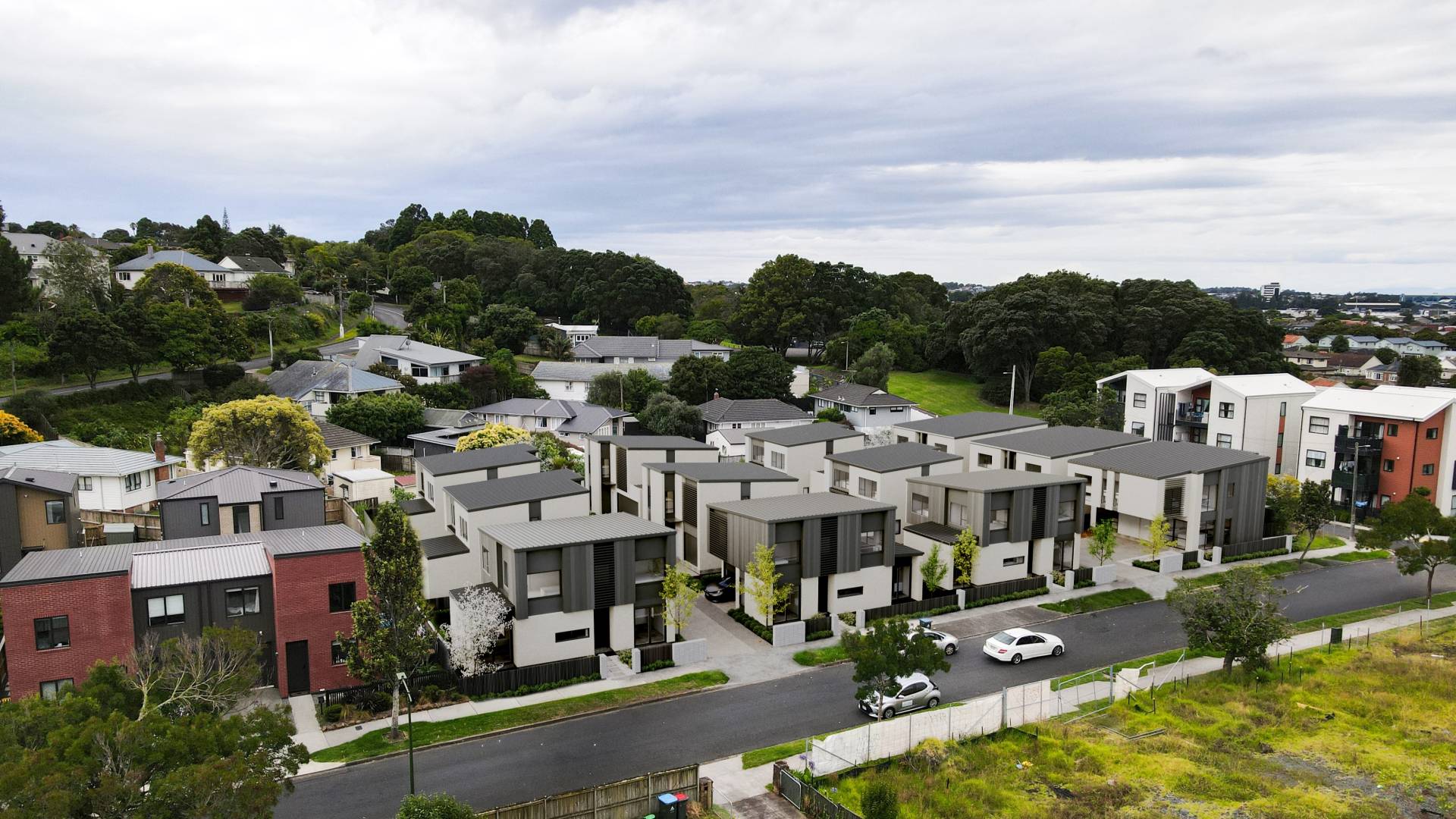
For Kevin Tian, buying an Oranga Development superlot meant saying goodbye to the “long negotiations, fragmented ownership and planning uncertainty” he previously found on the private market.
When working with Kāinga Ora on the sale of a 2,600sqm lot in Onehunga, Kevin – owner and Managing Director at Field Homes – says he and his team instead found “clarity and certainty”.
“Overall, the structured process gave us greater confidence to move quickly and focus on what we do best – building well-designed homes for the community,” he says.
“We were able to focus our efforts on design, planning, and delivery, rather than spending significant time navigating zoning risks or complex land assembly.”
Kavina Yu, Field Homes Commercial Manager, adds that the team “also appreciated the collaborative approach throughout the process”.
“There was open communication and alignment on an overall goal of delivering quality housing, which made it easier to move efficiently from acquisition through to development,” she says.
That shared goal also brings together other likeminded landowners, developers and builders, creating opportunities for “longer-term relationships and visibility of future opportunities within the programme,” she says.
“This allows builders like us to plan ahead, allocate resources more effectively, and maintain a consistent pipeline of projects.”
For Kevin, building those longer-term relationships also shaped his advice for other developers looking to grow their own business.
“If you’re a smaller developer considering a superlot, our advice is to focus on planning and partnerships,” he says.
“While the scale can feel intimidating at first, larger sites can offer efficiencies and long-term opportunities that smaller individual lots may not. Working with experienced consultants and taking a structured approach to delivery can make the process far more manageable.
“With the right preparation and team, a superlot can be a great step toward growing a development business.”